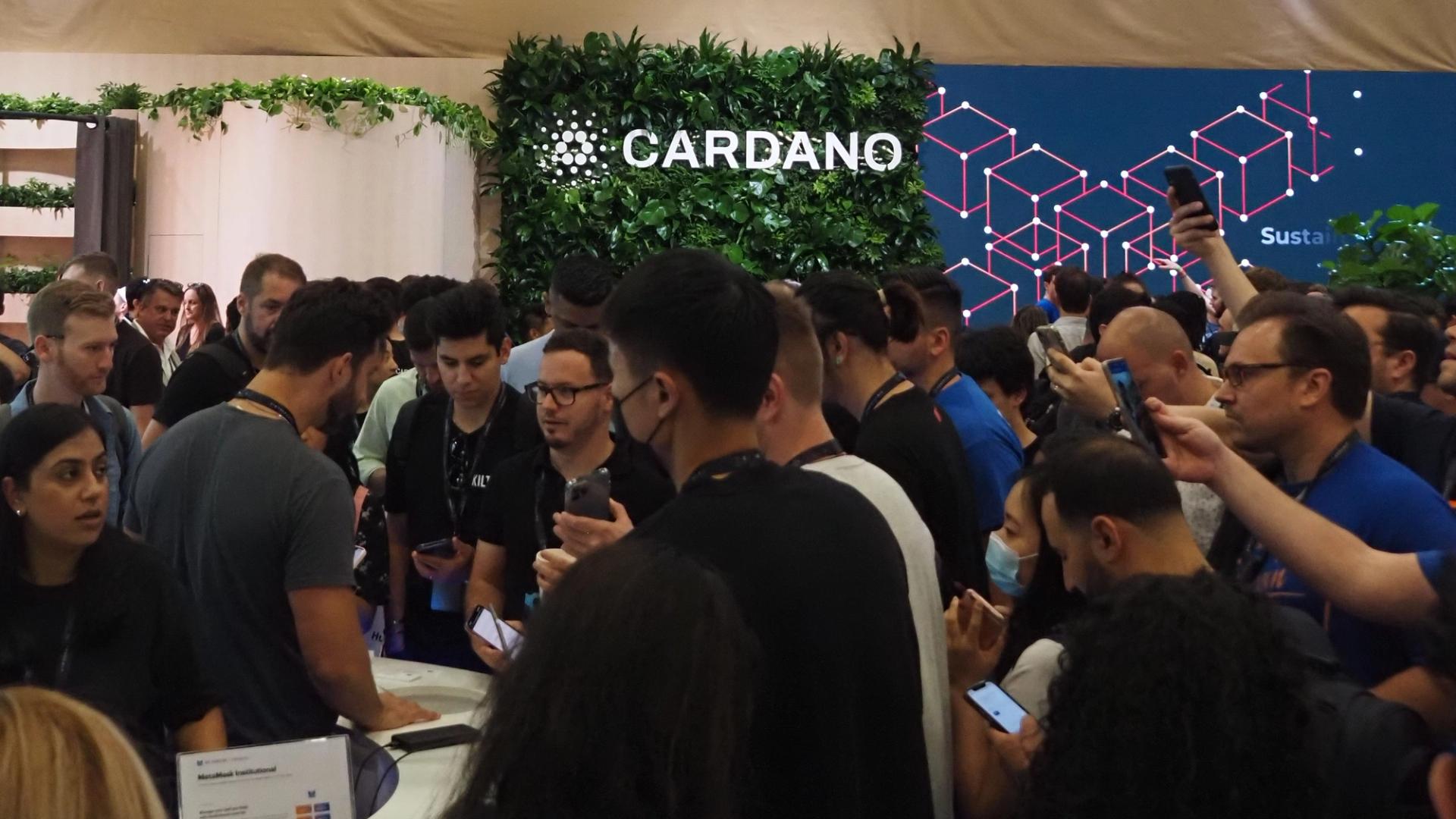
It adds new capabilities to Plutus, the platform developers use to write Cardano’s smart contracts, unifying built-in functions available in the three versions of the platform so older applications can get new features.
The upgrade also tightened many of the ledger’s validation rules, including the guarantee that no two stake pools can reuse the same cryptographic identification key.
“Along with Plutus improvements and Plutus cost model enhancements, this upgrade lays the foundation for the next upgrade, the Dijkstra era hard fork, which will introduce Ouroboros Leos to Cardano,” Input Output wrote in a development report on Friday.
Ouroboros Leos is a scaling proposal for the proof-of-stake consensus model run by Cardano. The latter is expected to take place in 2026 and aims to rapidly increase transactions per second without weakening the protocol’s security guarantees.
Van Rossem is the procedural foundation for Ouroboros, the ledger change it ships and the precedent it sets: that Cardano can now upgrade itself by vote.
The hard fork is named after Cardano governance contributor Max van Rossem, who helped shape the network’s constitution and died in October 2025.
What does the hard fork mean for Cardano users
There are no visible changes for anyone simply keeping or spending ADA. Transactions work the same way, wallets do not need to be updated and the fee for sending ADA remains unchanged. The upgrade does not change how the network looks or feels to use.