
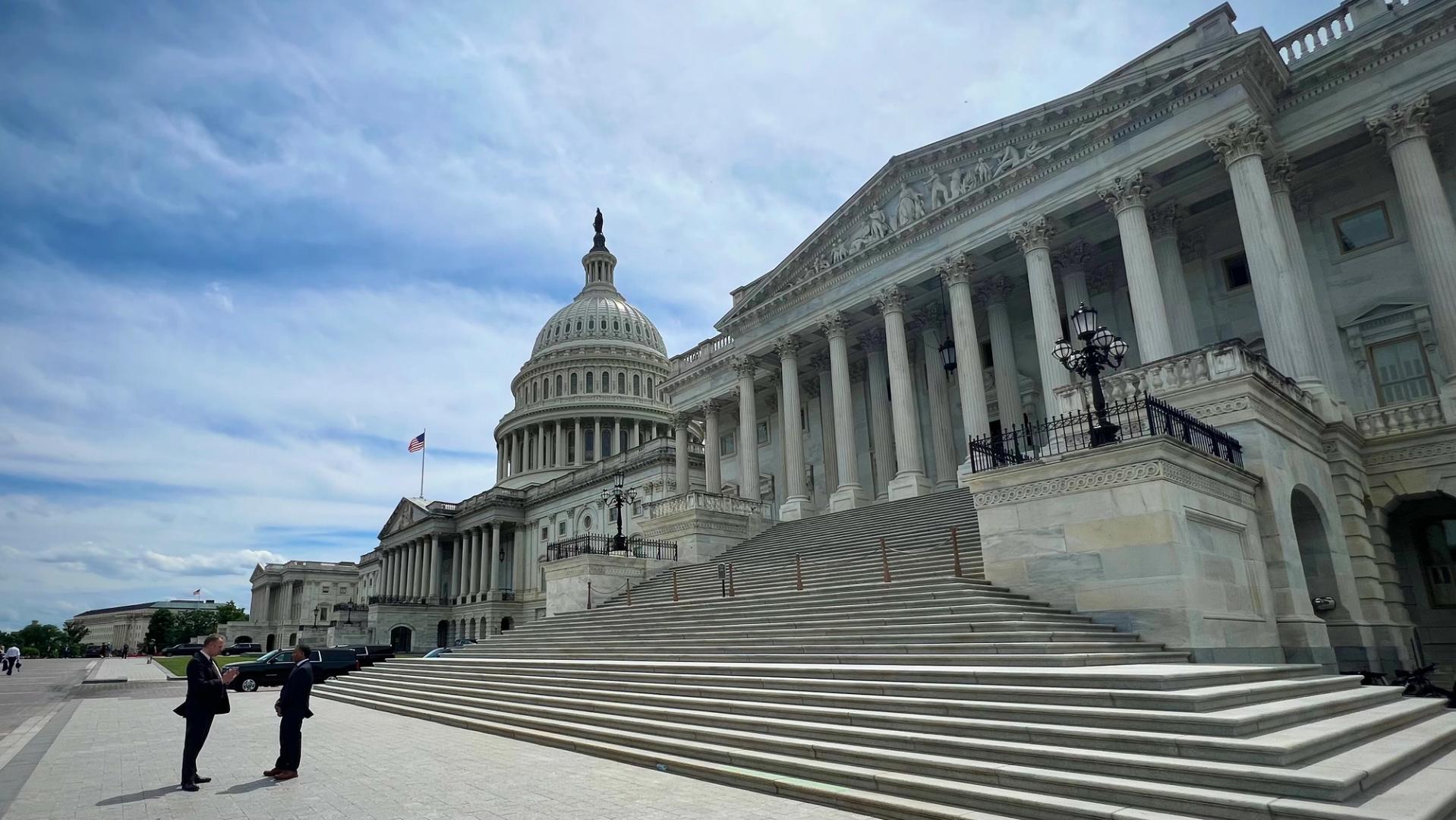
Although the US government is still closed, the Senate has been the center of crypto activity this week, with Republican lawmakers now matching a planned Democrat meeting with industry leaders on Wednesday.
After CEOs like Coinbase’s Brian Armstrong and Chainlink’s Sergei Nazarov meet with 10 Democratic senators, they will attend a similar meeting with those lawmakers’ Republican counterparts, according to people familiar with the plans. The main topic of conversation is the crypto industry’s top policy priority: legislation that would establish US regulation for the broader crypto sector.
The bill – known as the Digital Asset Market Clarity Act in a version already approved by the House of Representatives – was moving through the normal process in the Senate, where legislative efforts typically have to lean into bipartisanship to clear the 60-vote threshold. Republicans in the Senate Banking Committee prepared a working draft, but Congress then became embroiled in a budget dispute that shut down the government.
And perhaps more importantly, a document showing suggested Democrat language on decentralized finance was leaked, causing an uproar from industry insiders who held it up as a potential deal-breaker in the negotiations.
So, Senate Democrats and industry leaders met Wednesday to iron things out. And now, Republicans will listen to him, too. At that second meeting, the industry’s GOP allies will likely point out at what points the CEOs were told by Democrats that they were encouraging the movement.
Industry leaders who attended these meetings are said to have included the heads of Kraken, Uniswap, Galaxy Digital, Solana Policy Institute, and senior executives from Circle, A16Z Crypto and Zito.
The prevailing sentiment among many crypto lobbyists is that it will be difficult to get a market structure bill back on track this year, and next year’s midterm elections could make any serious policy efforts difficult. Without this legislation becoming law, the sector remains only halfway to implementing its policy goals in the US, which celebrated its first major success with a new law to regulate stablecoin issuers.
And until Congress is able to reopen the doors of the government, the main focus of MPs remains on the budget dispute.
When they return to their crypto work, Crypto’s Republican allies have a sizable number of like-minded Democrats ready to approve major crypto legislation. But Democrats had a number of issues to work on, including consumer protection, illicit-finance concerns and conflicts of interest presented by top government officials involved in the industry — most notably, President Donald Trump.
Both the Senate Banking Committee and the Senate Agriculture Committee must produce and approve the legislation before it can receive a floor vote in the overall Senate. The Agriculture Committee has not yet published any draft legislation.
“Any sustainable policy must be bipartisan,” Blockchain Association CEO Summer Mersinger said in a statement sent to CoinDesk on Monday, underscoring that both parties need to be on board.
Approval in the Senate would send it to the House for a similar vote. That House had already approved the Clarity Act by an overwhelming majority, and some senior House members have argued that the Senate could avoid a lot of headaches by simply voting on the House Clarity Act and sending it directly to Trump.
Read more: Crypto’s half-baked legislative agenda teeters on meeting with Democrat as CEO